Security Awareness Training
The security awareness training catalogue: 30 cyber security lessons covering information security, NIS2, passwords, email, phishing and more.
9 Lessons · 9 Quizzes
Get the Free VersionAll Courses
Email (Phishing)
This training teaches the employee how to recognise and respond to phishing emails, one of the most common causes of data breaches in organisations.
Safe Web Browsing
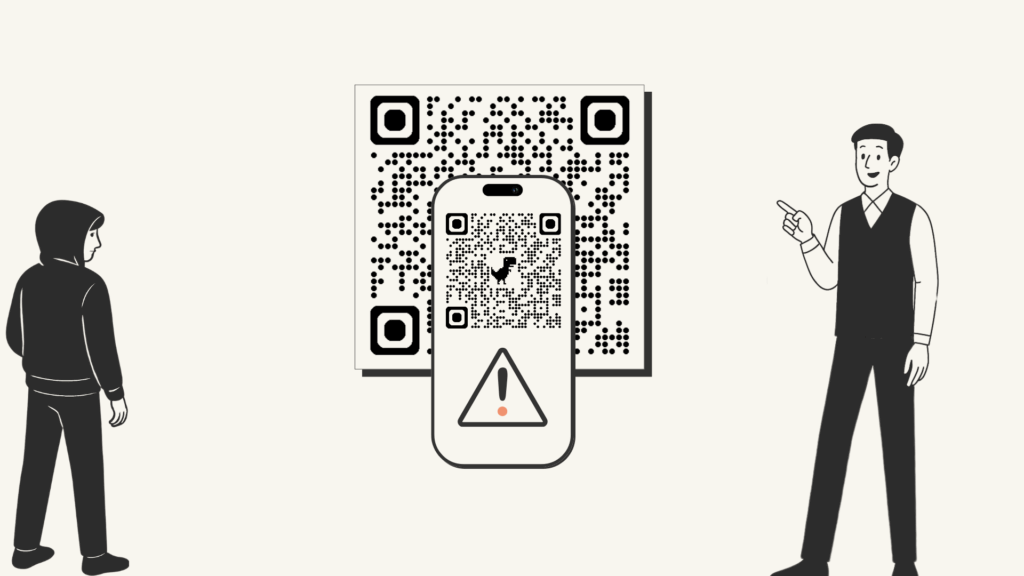
This training helps the employee stay safe while browsing the web by teaching how to spot fake websites, avoid malicious links, and respond correctly to suspicious pop-ups.
Physical Security
This training introduces the basics of physical security and why it matters for protecting the organisation’s devices, data, and documents.
Social Engineering
This training shows how attackers use social engineering to manipulate people instead of hacking systems. The employee will explore how emotions like urgency, trust, and curiosity are used to trick colleagues into sharing access or sensitive information, whether through emails, phone calls, or face-to-face interactions.
Password Security
This training gives the employee a practical understanding of why strong passwords are critical for protecting online accounts and personal data. The employee will learn how weak or reused passwords can open the door to hackers, how stolen credentials are traded on the dark web, and why common habits, like using simple or repeated passwords, put both the employee and the organisation at risk. Real-life examples show how password-related breaches happen and what can be done to avoid them.
Email (Privacy)
This training helps the employee understand why email, although convenient, is one of the most common causes of data breaches. The employee will learn how everyday email habits, like hitting ‘reply all’, forwarding messages, or misusing Cc and Bcc, can accidentally expose information and lead to negative consequences.
Email (Policies)
This training covers how email policies help protect information and support compliance with data protection rules like the GDPR. The employee will learn why email guidelines matter, how they reduce the risk of data breaches, and what role classification plays in handling emails securely.
Information Security
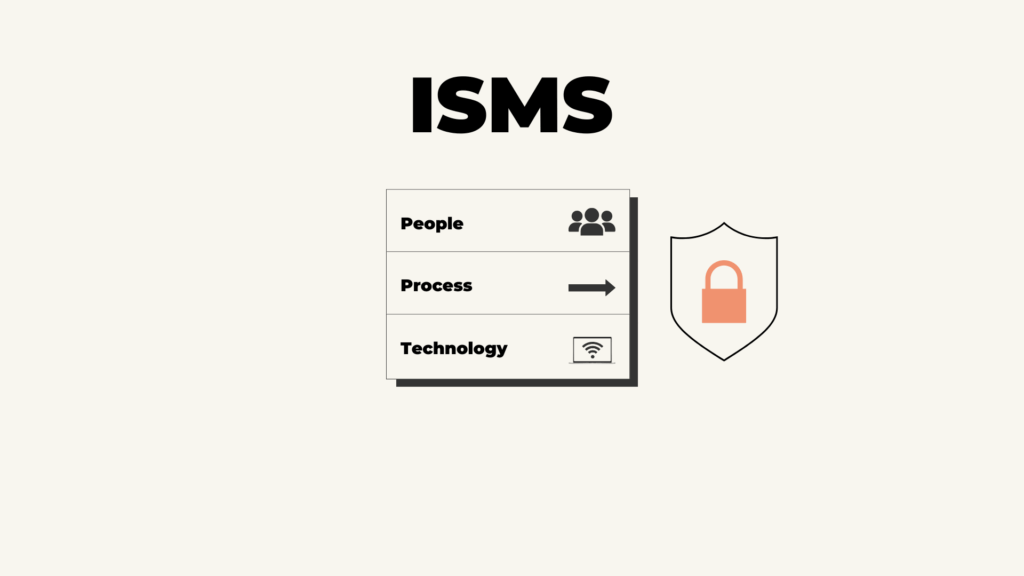
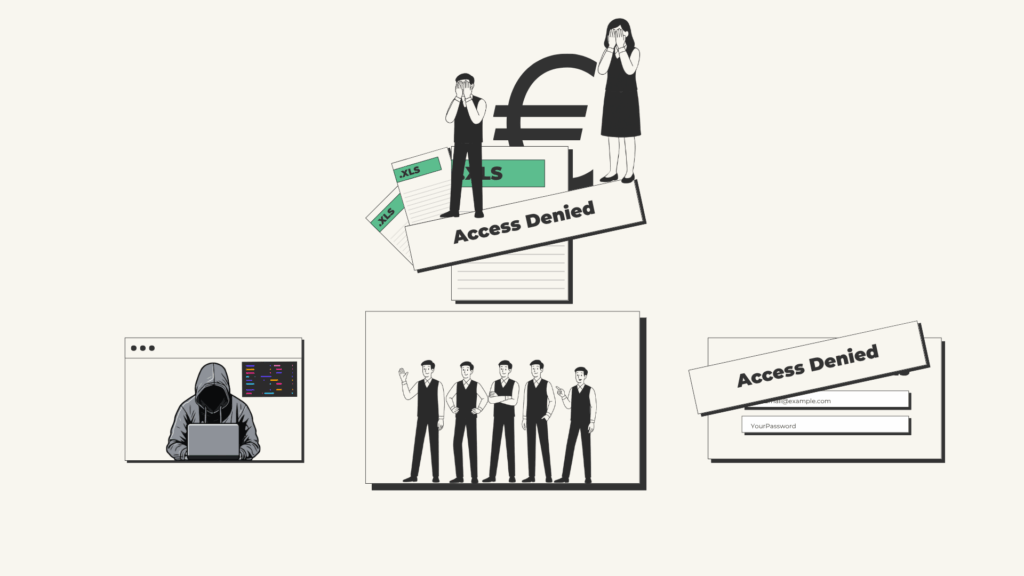
This training gives the employee a clear and practical introduction to information security, why it matters to the organisation, and how it impacts daily work. The employee will learn what information security means, the types of risks organisations face, and how the core principles of confidentiality, integrity, and availability (CIA) help protect valuable data.
NIS2 Introduction
This training introduces the key points of the EU’s NIS2 directive, which sets cybersecurity requirements for organisations delivering ‘essential’ and ‘important’ services across the EU. The employee will learn who the directive applies to, how organisations are classified, and how to find out if their organisation falls within its scope.