
GDPR Introduction Training
This training gives your colleagues a general awareness of the GDPR, the EU law that protects personal data and sets rules organisations must follow when they handle it.
4 mins | 3 Lessons | 3 Quizzes
Get Started FreeWhat the training consists of
-
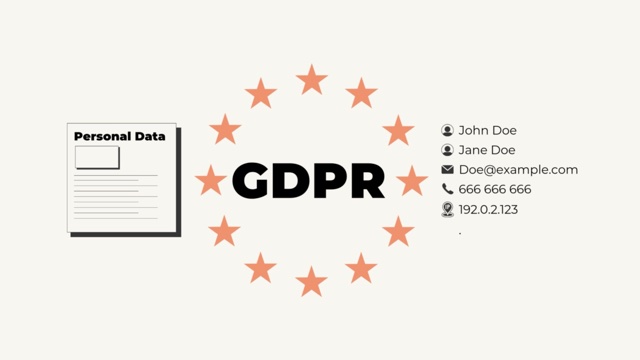
1. What the GDPR is
1:19The first lesson explains what the General Data Protection Regulation (GDPR) is and what counts as personal data. It also names some central requirements, such as security measures and documenting how personal data is processed (a record of processing activities).
-
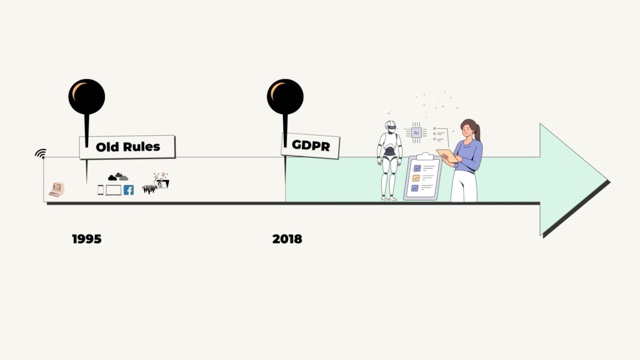
2. Why the GDPR was created
1:36The GDPR replaced rules from 1995, written before smartphones and social media existed. The second lesson explains why, and what the new law brought: standardised rules across the EU, stricter requirements for organisations and rights for people over their own data.
-
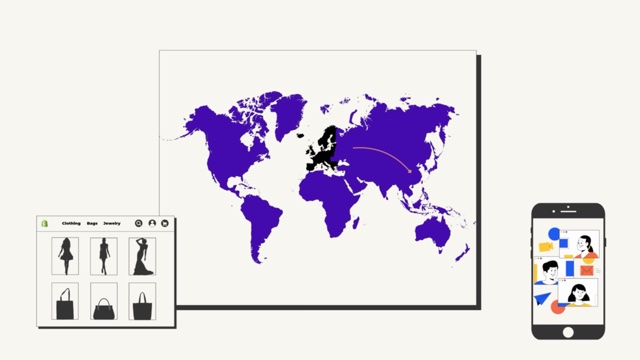
3. Who must comply with the GDPR
1:27The last lesson explains who must comply with the GDPR, from organisations established in the EU to certain organisations based outside it. The size and type of organisation make no difference, from a small cafe to a public institution.
Why it matters
An organisation that does not comply with the GDPR may face significant consequences, including large fines. The organisation is responsible for compliance. Its employees play a crucial role in it, because they handle personal data every day, from answering emails to data entry.
What your colleagues learn
- Personal data is more than a name. An email address, a phone number or an IP address is personal data too, as is any other information that can identify a person.
- Not every part of the GDPR applies to every role. Knowing the basics still helps each person work in line with what the law requires.
- The law deliberately names no specific technologies. This is meant to keep its rules from going out of date as technology changes, and it means each organisation has to judge whether the technologies it uses fall under them.
- The GDPR reaches beyond the EU. An organisation based elsewhere must comply when it offers goods or services to people in the EU or monitors them, for example with cookies that track what they do on a website.
- The GDPR applies to records kept by hand as well. It covers personal data however it is kept, from a filing cabinet to spreadsheets and cloud databases.
Related Courses
View all →-
 What is Personal Data?
Recognising personal data in everyday work is the first step towards handling it well.
-
 Data Protection Principles
Seven principles guide how the GDPR expects personal data to be handled in everyday work.
-
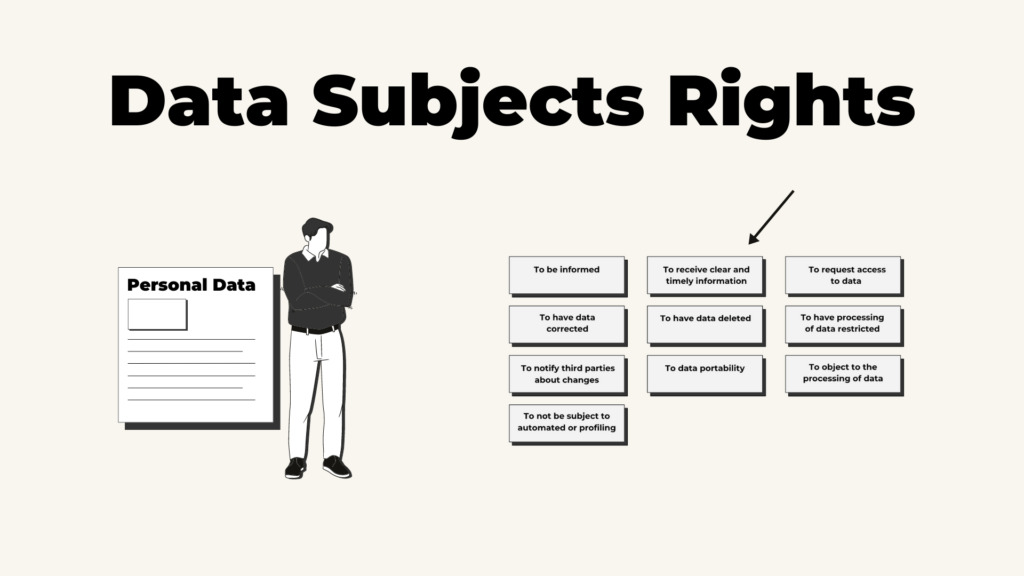 Data Subjects’ Rights
People have rights over their own personal data, and handling their requests well is part of respecting those rights.