
Data Protection Principles Training
This training gives your colleagues a general awareness of the data protection principles: the seven rules of the GDPR for handling personal data.
6 mins | 3 Lessons | 3 Quizzes
Get Started FreeWhat the training consists of
-
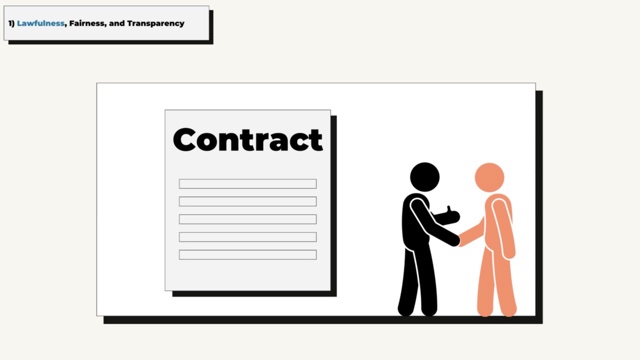
1. Data protection principles (part 1)
1:57The first lesson covers three principles. Lawfulness, fairness and transparency means handling personal data legally, fairly and openly, purpose limitation means using it only for its original reason, and data minimisation means collecting no more than needed.
-
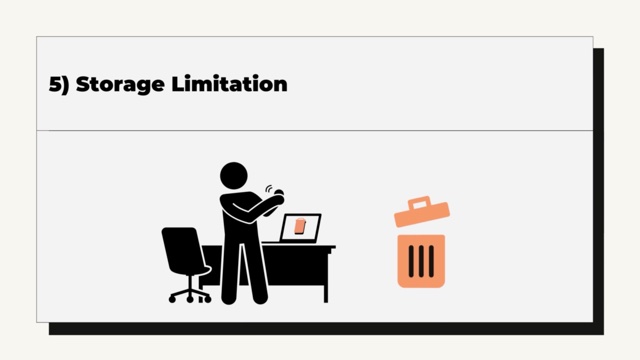
2. Data protection principles (part 2)
1:40The second lesson adds four more. They are accuracy (correct, up-to-date data), storage limitation (deleting or anonymising data no longer needed), integrity and confidentiality (keeping it secure) and accountability (showing the principles are followed).
-
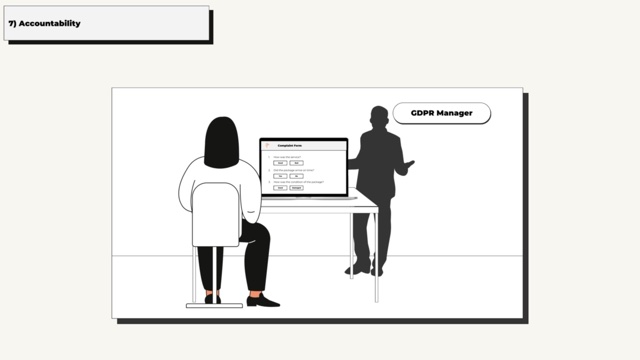
3. Applying the principles in the workplace
1:56One example, a complaint form on a company website, runs through the last lesson. It shows the principles at work in a privacy notice on the form, checking the details with the customer, limiting who can see the complaints and a policy for deleting or anonymising the data afterwards.
Why it matters
Every organisation operating from the EU, or targeting people in the EU, must follow the GDPR’s data protection principles. They are the foundation for complying with the law and a guide whenever someone at work handles personal data, whether it belongs to customers or to employees.
What your colleagues learn
- Fairness means treating other people’s data like one’s own. It also means being open with people about how their data is used and respecting their rights over it.
- The reason people share their data sets its limits. A customer who emails the support team expects help with their question, so using that email for marketing first needs their explicit consent.
- Errors in personal data can have real consequences. An incorrect address can send a product to the wrong place, and inaccurate medical records can lead a doctor to the wrong decision.
- The organisation must be able to prove its compliance. Records of how personal data is processed, regular GDPR compliance audits and proof that employees have been trained are ways to show it.
- Whoever looks after GDPR compliance helps design new processes. Involving them when a business process is created or updated helps make sure it follows the principles.
Related Courses
View all →-
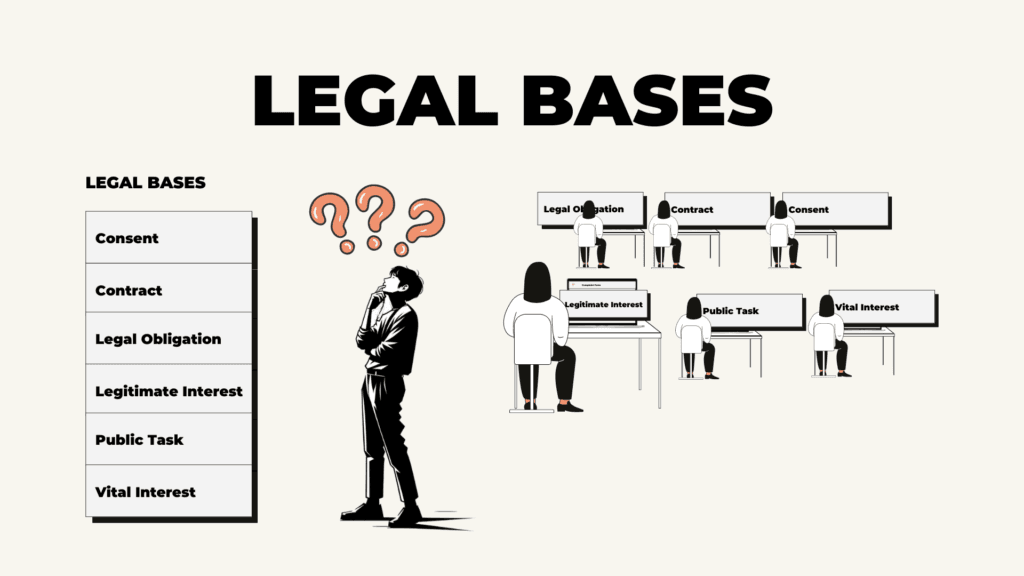 Legal Bases for Processing Personal Data
Every use of personal data needs a lawful reason, and colleagues see how to find the right one.
-
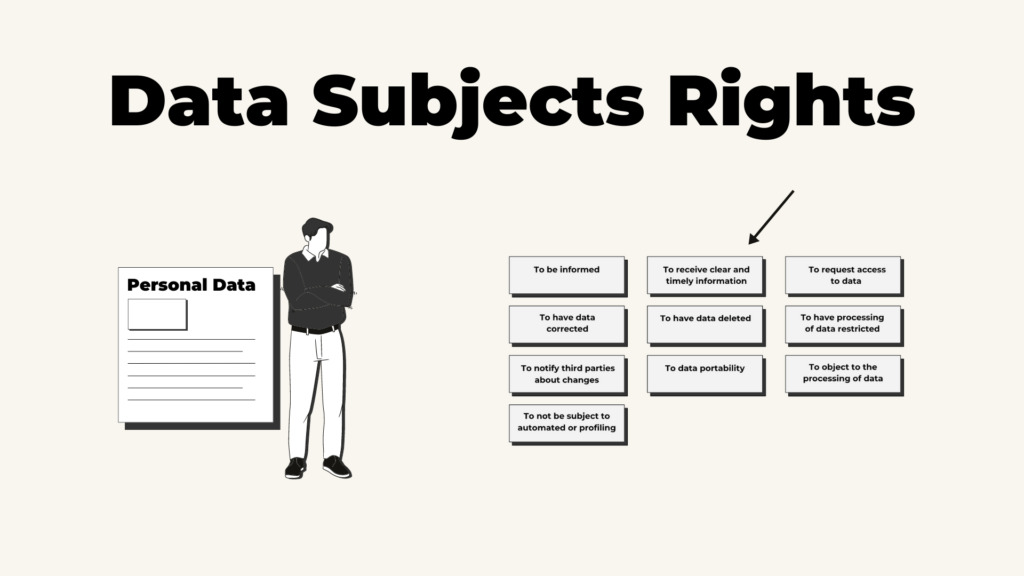 Data Subjects’ Rights
People have rights over their own personal data, and handling their requests well is part of respecting those rights.
-
 GDPR Introduction
Here, colleagues find out what the GDPR is, why it was created and who must follow it.