Learn what “processing” of personal data means, discover the scenarios where it takes place, and identify who in an organization is responsible for it.
Course Topics
Lesson 1) All Teams Process Personal Data
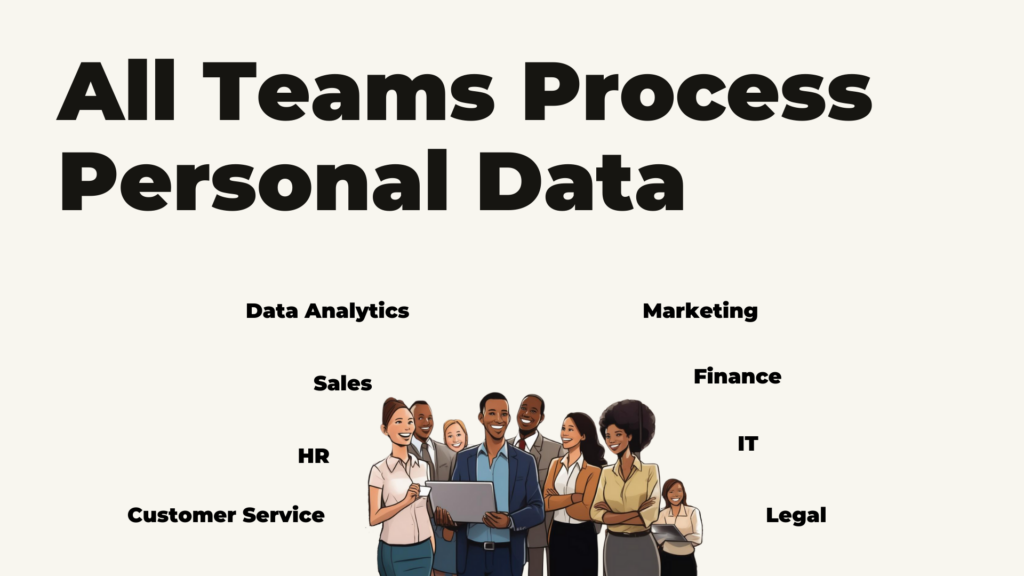
We begin this course by detailing how personal data is handled across various job roles, such as HR, IT, marketing, and finance. We examine how each department engages with personal data, emphasizing the widespread responsibility of processing personal data within an organization.
Lesson 2) Daily Activities Involving Personal Data
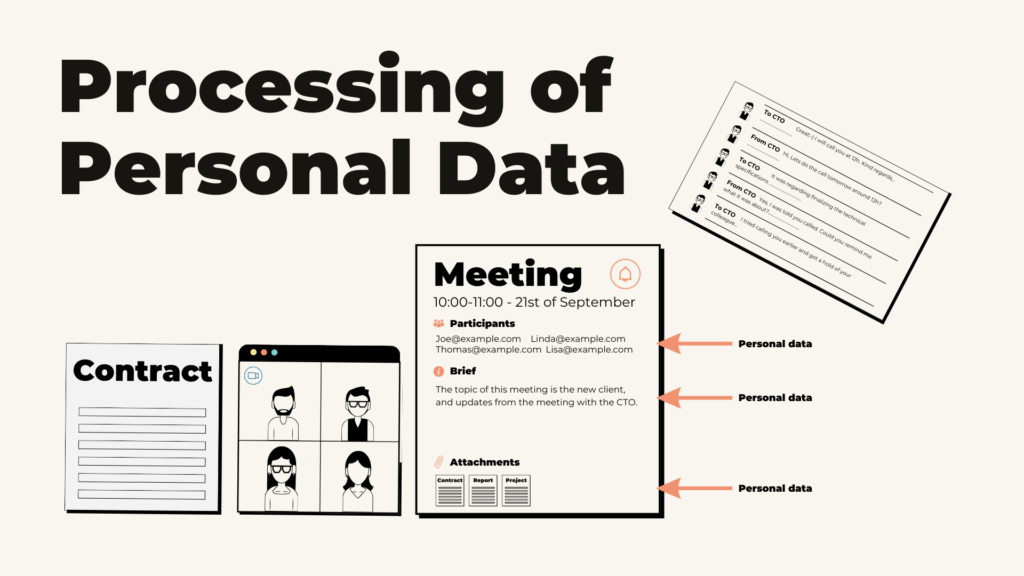
In lesson 2, we explore the everyday actions that involve personal data handling across job roles. From emails and documents to meetings and client interactions, we dissect common tasks and tools to enhance your awareness of how personal data is being processed.
Lesson 3) Personal Data in Forgotten Places
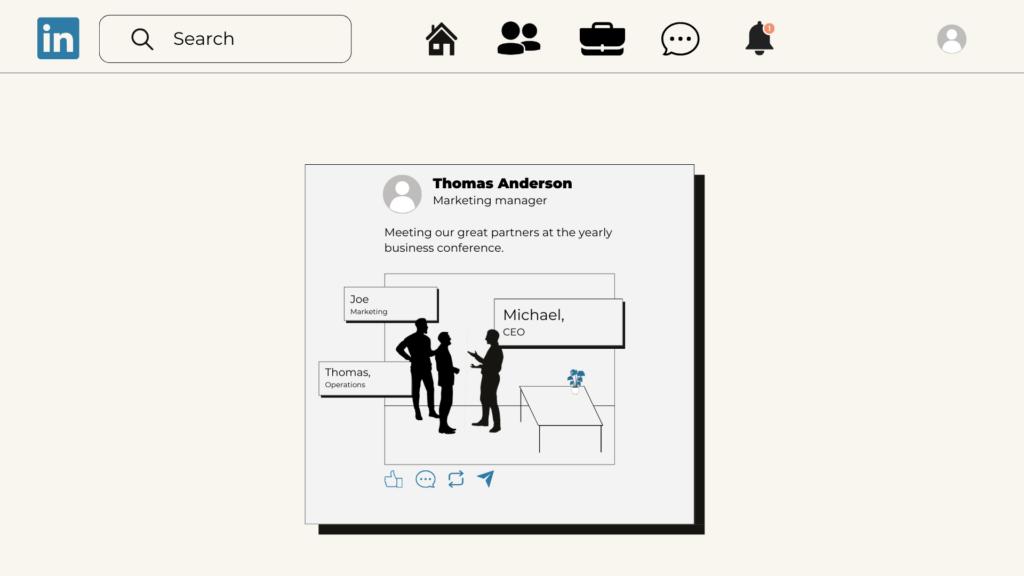
In this final lesson we bring attention to some of the less visible aspects of data processing that could occur during a typical workday. We highlight casual exchanges on social media, calendar invitations, and more, pinpointing where personal data is processed and underscoring the need for vigilance in all our digital interactions.
Processing of Personal Data
All employees handle personal data, and this course helps them understand how.
In this training we will start with the basics: What is personal data?
It might seem trivial, but a clear understanding of this will make it much easier to understand the data protection regulations in theory and practice.
Your colleagues will learn about these different categories of personal data and the nuances that distinguish non-sensitive from sensitive personal data.
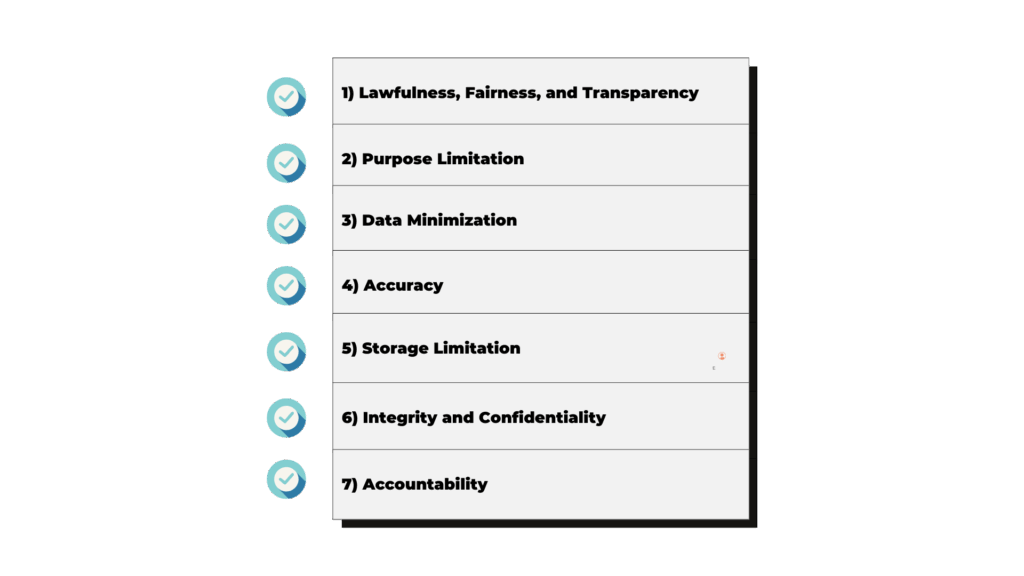
The principles of GDPR Article 5 serve as the backbone for data protection and compliance, ensuring that data is processed lawfully and transparently. Mastering these principles is key to avoiding legal pitfalls and building trust with stakeholders.
Awareness trainings make you compliance-ready while also improving the security awareness in your organisation. To establish a security culture your organisation must work programmatically with technical and organisational elements.