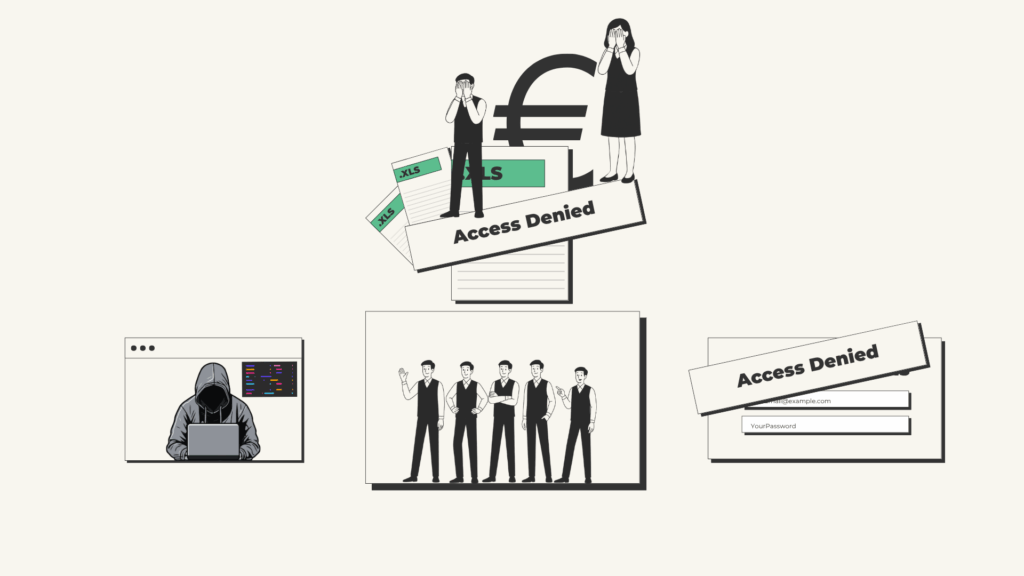
This training covers how email policies help protect information and support compliance with data protection rules like the GDPR. The employee will learn why email guidelines matter, how they reduce the risk of data breaches, and what role classification plays in handling emails securely.
Course Topics
Lesson 1) Email Policies
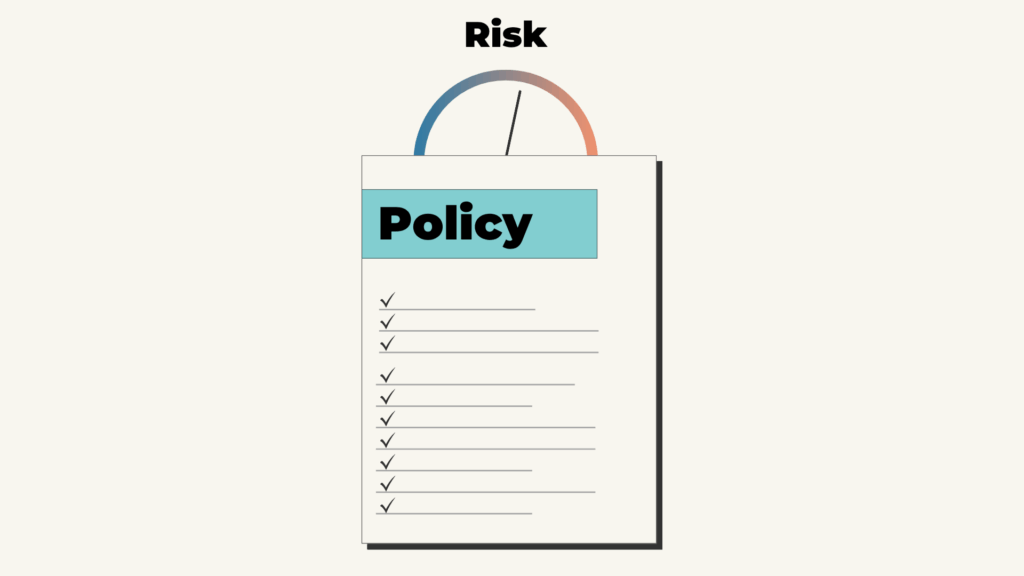
The purpose of having an email policy is to implement best practices in IT security and ensure compliance with regulations such as the GDPR by guiding users on how to process different types of information.
Lesson 2) Classification of Emails
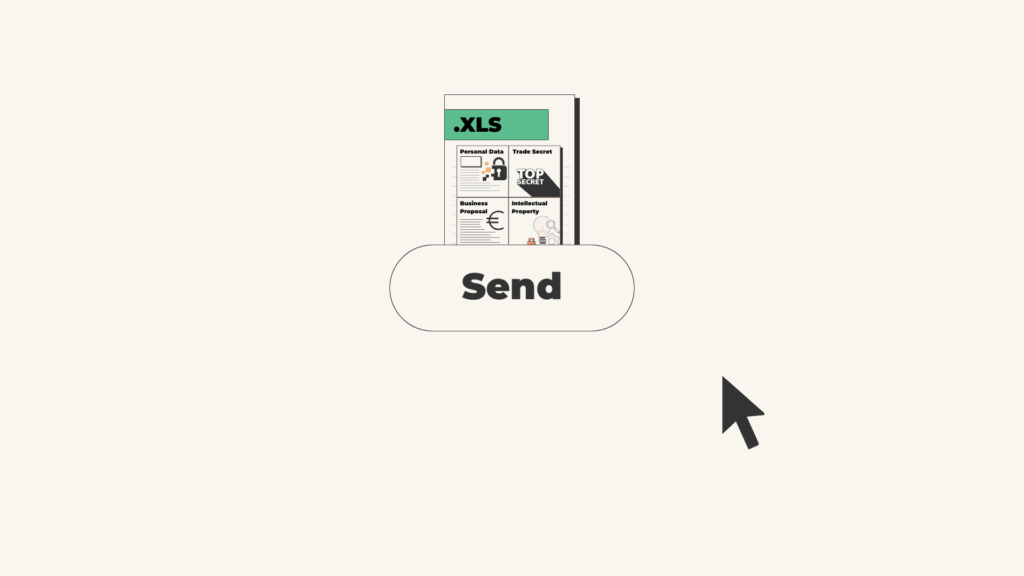
When you classify emails based on their contents you help ensure information is handled securely and in compliance with data protection rules. For example, by labelling emails as “Restricted”, “Confidential,” “Internal Use Only,” or “Public,” you support that data is processed with the right level of protection.
Lesson 3) Email Templates & Work Email
Once you classify your emails, it becomes easier to recognize patterns in your communication. This is where creating email templates for your communication comes in.
Email (Policies)
Anyone who uses email at work should know the organisation’s email policies, and this training is made for them.
Your colleagues will learn about these different categories of personal data and the nuances that distinguish non-sensitive from sensitive personal data.
Awareness trainings make you compliance-ready while also improving the security awareness in your organisation. To establish a security culture your organisation must work programmatically with technical and organisational elements.