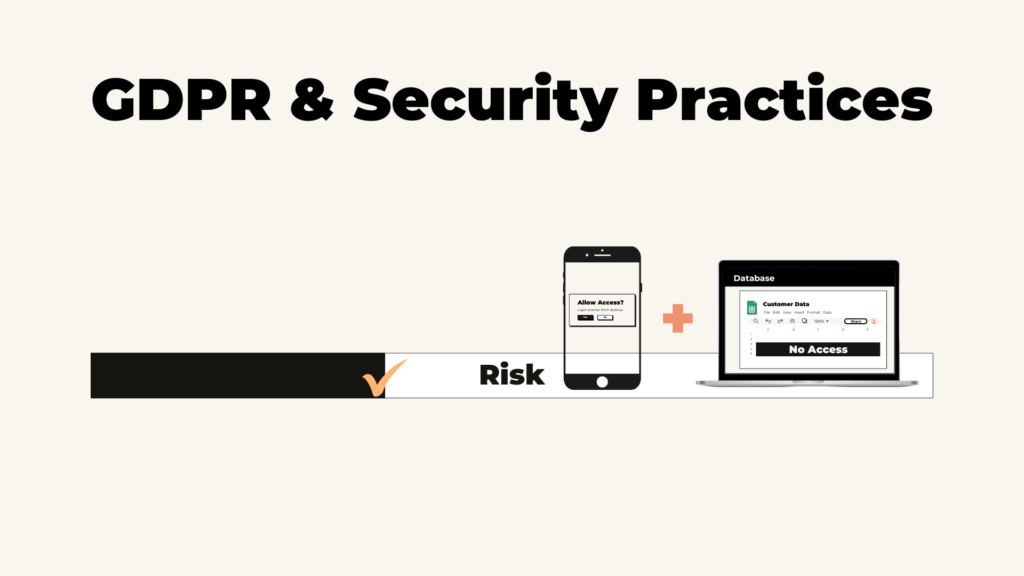
You will learn about the appropriate technical and organisational measures necessary for safely processing personal data, and the concepts of ‘Privacy by Design’ and ‘Privacy by Default’.
These are general privacy frameworks that must be adapted to the specific needs and realities of your organisation
Course Topics
Lesson 1) Appropriate’ Measures
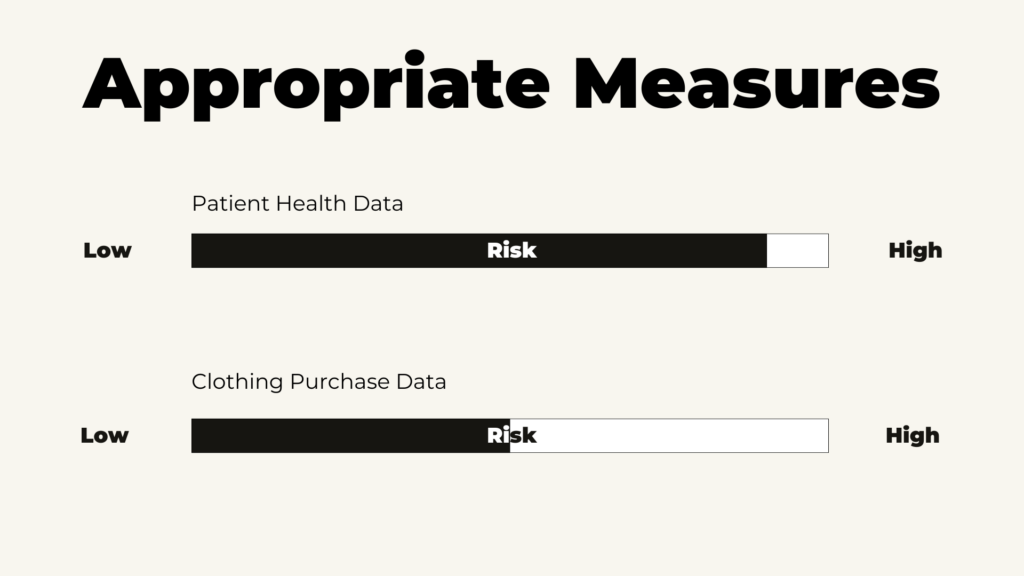
The GDPR requires organisations to implement safety measures that are appropriate for reducing risks to individuals when processing their data, which is the topic of this lesson. But what makes the processing of personal data secure? What does it require from your company, and how does it affect your job?
Lesson 2) Privacy by Design
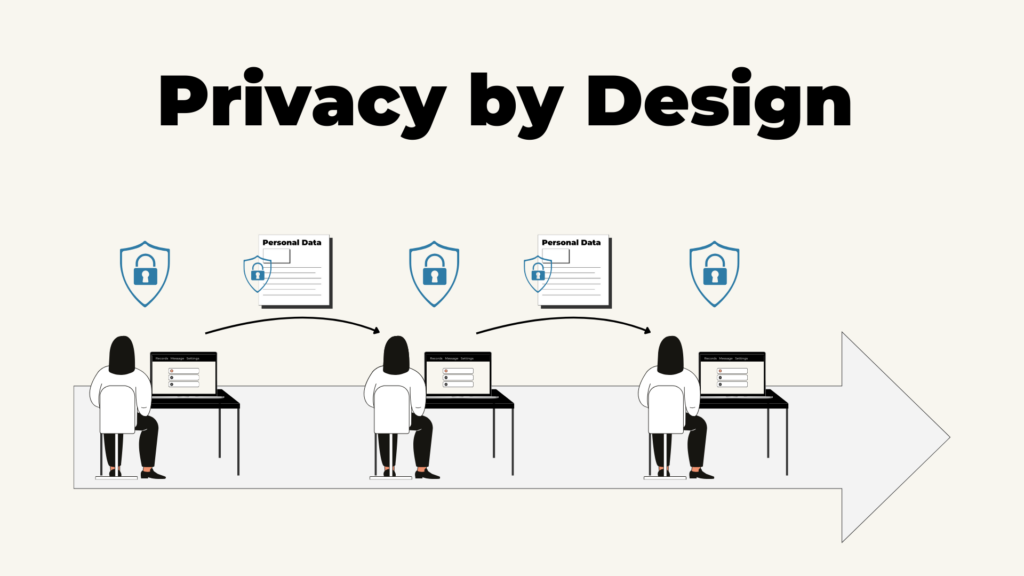
The best time to ensure the security of personal data is not after a data breach but before the data is even collected.
Privacy by Design is a framework that should be implemented for processing personal data and it is a legal requirement under the GDPR.
Lesson 3) Privacy by Default
Adhering to Privacy by Default is a requirement under the GDPR.
In essence, ‘Privacy by Default’ is a component of ‘Privacy by Design,’ which requires that the default option in any system or process should always provide the strongest level of privacy for individuals and their data.
GDPR & Security Practices
The privacy concepts in this training apply to all processes and technologies, making it relevant for everyone.
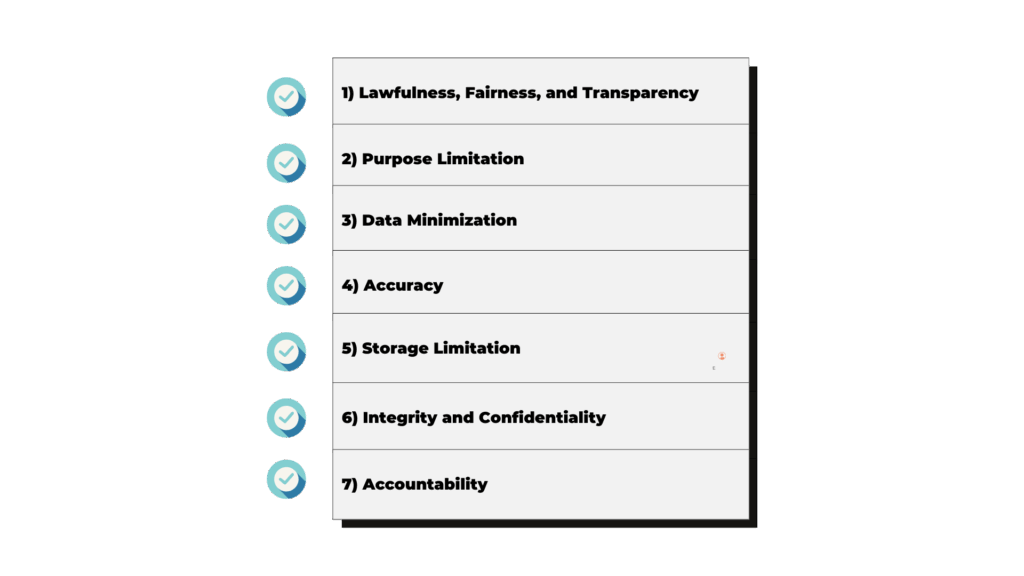
The principles of GDPR Article 5 serve as the backbone for data protection and compliance, ensuring that data is processed lawfully and transparently. Mastering these principles is key to avoiding legal pitfalls and building trust with stakeholders.
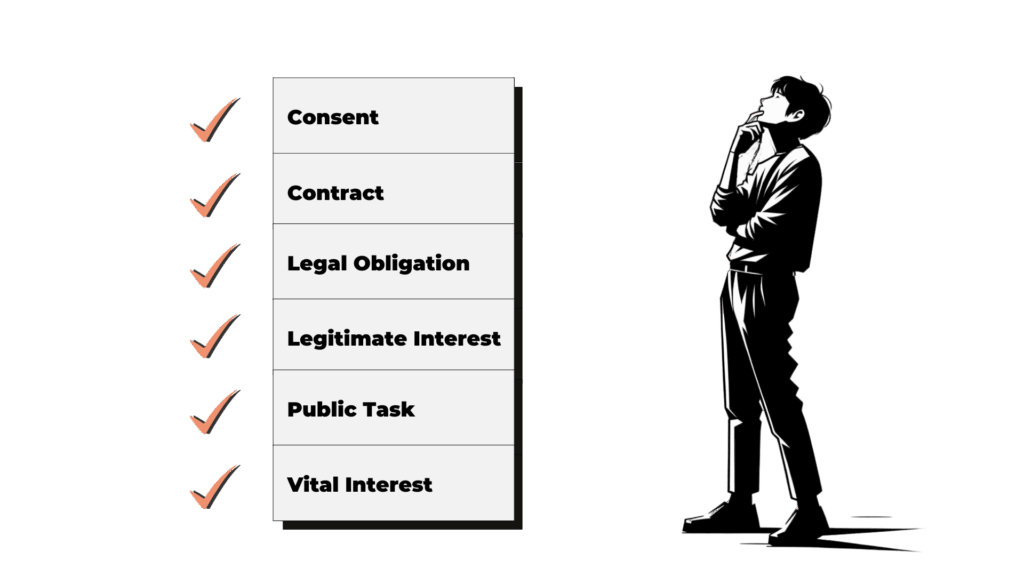
This training will guide your colleagues through the legal bases for handling both non-sensitive and sensitive personal data, offering practical examples relevant to different workplace scenarios.
The GDPR grants individuals extensive rights over the processing of their personal data. As virtually every organization handles the personal information of employees, customers, or others, respecting these rights is a legal obligation for all.
Awareness trainings make you compliance-ready while also improving the security awareness in your organisation. To establish a security culture your organisation must work programmatically with technical and organisational elements.