
Information Security Training
Information security is how an organisation manages the risks to the information it holds. This training gives your colleagues an overall picture of it.
6 mins | 3 Lessons | 3 Quizzes
Get Started FreeWhat the training consists of
-
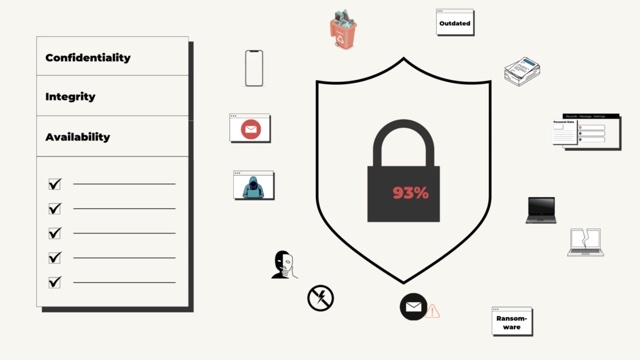
1. What is information security
1:56The first lesson explains what information security covers, from customer data to trade secrets, digital or on paper, and its three pillars: confidentiality, integrity (the information stays correct) and availability (it is there when needed).
-
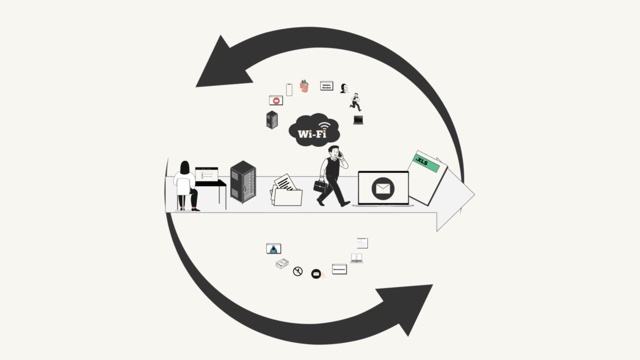
2. What is an information security management system
2:12An information security management system (ISMS) is a structured system for protecting information. The second lesson walks through its steps, from finding what needs protecting and judging each risk to choosing how to handle it and putting measures in place.
-
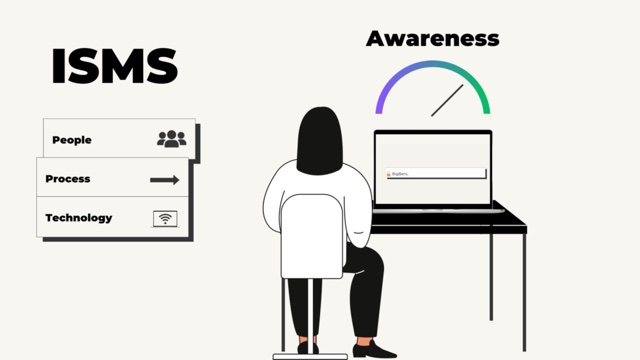
3. Your job and information security
1:41People, processes and technology are the three parts an ISMS relies on. The last lesson gives examples of each, from password rules and access rights to encryption and alarms, and shows where an employee’s own work fits in.
Why it matters
Client data sent to the wrong person, altered financial records or an outage that blocks access to critical files could lead to fraud, financial losses, legal penalties or a halt to business operations. An information security management system protects the organisation’s data, helps avoid costly breaches and strengthens the trust of clients and partners.
What your colleagues learn
- Complete protection is not possible. Adding every security measure imaginable could slow work down and create bottlenecks, so the organisation assesses its risks and puts its effort where it is needed most.
- Many threats have nothing to do with hackers. Information is also at risk from a laptop stolen at the office, a misplaced document or a damaged server.
- The way information is handled keeps changing. Information sits on laptops, phones, cloud services, servers and email accounts. As technology, processes and the people handling data change, security measures need regular checking and adjusting.
- People are the foundation of information security. Each employee handles information, so each needs to understand the basics of information security and what they are responsible for.
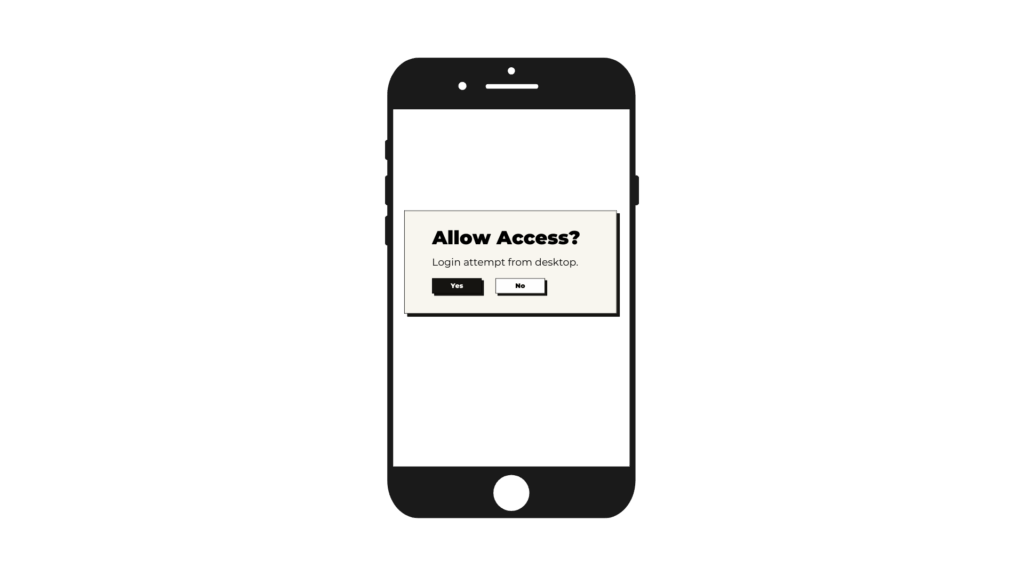
- Security rules are part of everyday work. Following a procedure or entering a two-factor authentication code (a second check when logging in) can feel like an extra step, but each one is part of what keeps the organisation’s information secure.
Related Courses
View all →-
 Risk Assessment
A simple scoring method makes the risks to personal data easier to rate and to tackle in order.
-
 NIS2 Introduction
NIS2 raises the minimum level of cyber security for organisations that provide essential services in the EU.
-
 GDPR & Security Practices
The GDPR expects personal data to be kept safe from the very first design of a system.